Critical Learning Moment
One of my most meaningful learning moments came while working on the colon cancer screening initiative. I met with a patient in Spanish to explain different screening options, but he surprised me by sharing that he had already had a colonoscopy the year before in his home country. The system flagged him as overdue because there was no record of it here. When he told me that his results were abnormal, I realized how important it was for our providers to have this history documented. Many immigrants, like this patient, choose to receive medical care in their home countries because it is more affordable and accessible. Yet without that information being shared, providers in the U.S. lack a full picture of their health. This interaction taught me the importance of asking questions, listening carefully, and bridging gaps in medical records. It also made me appreciate my role in ensuring patients felt heard and supported, while helping them take steps that improved the continuity of their care. Going forward, I will carry with me the lesson that even a brief patient interaction can uncover critical information that changes their care trajectory.
Belonging and Community
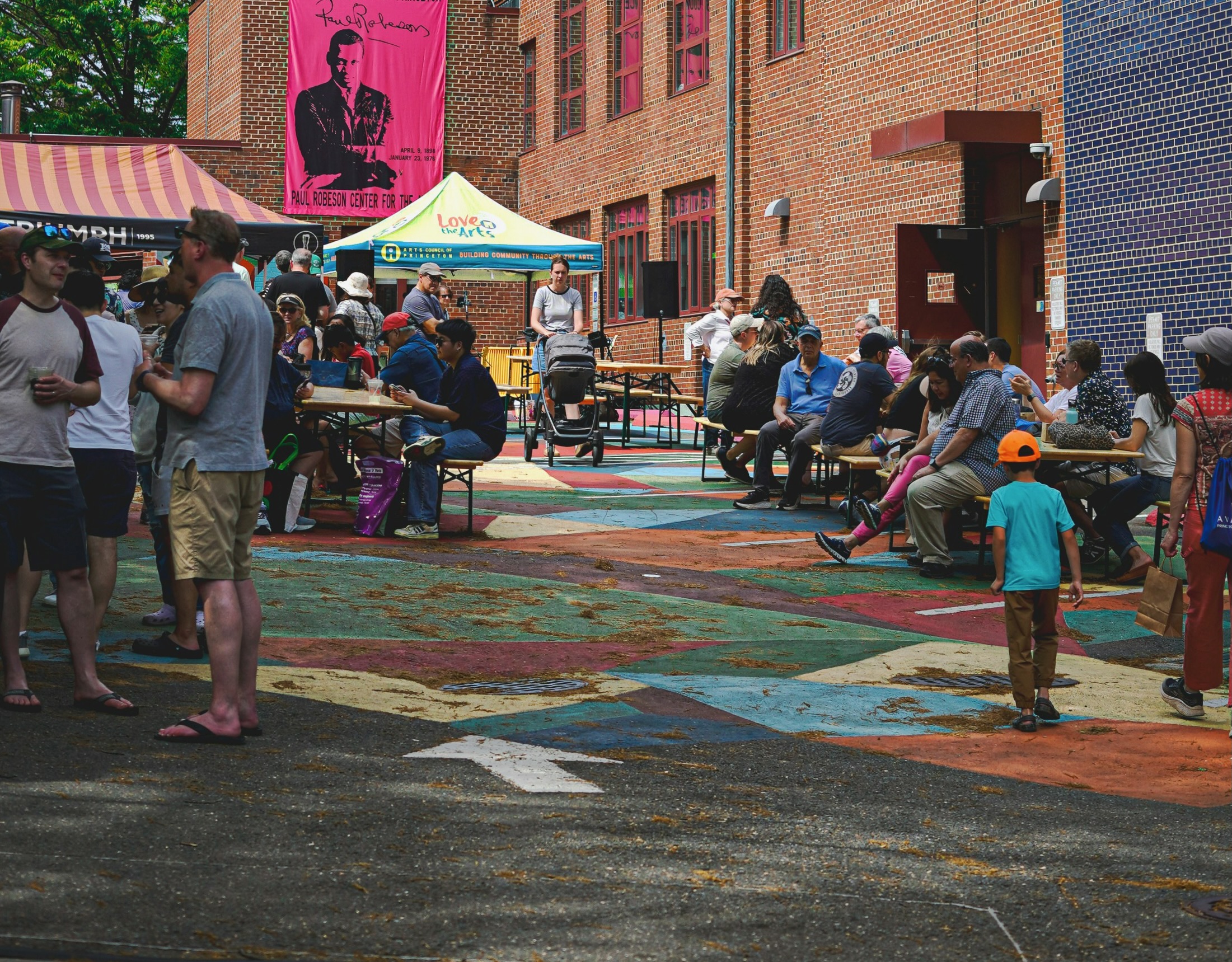
At Samuel Rodgers, I came to understand belonging as the feeling of being rooted in a network that both supports and uplifts you. I saw this clearly at our Back-to-School event. Samuel Rodgers served as the backbone, but the impact was magnified through collaboration with community partners who set up booths, handed out supplies, and offered a variety of food that drew families in. Together, we created an environment where families not only received backpacks and hygiene products but also discovered resources that could help them long after the event ended. This experience reminded me that real change happens when people unite around a shared mission. I felt that same sense of belonging through language, when I spoke with patients in Spanish and was able to connect with them more fully. These experiences deepened my understanding of how community is built through collaboration and cultural competence. At Duke and in my future career, I will carry forward the belief that sustainable impact requires creating spaces where people feel they truly belong, not just that they are included.
Project's Role in Reducing Health Inequities
The colon cancer screening initiative addressed a critical gap in preventive health for Samuel Rodgers’ patient population. Many of the patients we served are uninsured or face significant barriers to care. By providing free Cologuard kits and explaining other screening options, we gave patients the chance to take preventive action from the comfort of their homes. In the short term, this meant more patients had access to lifesaving screenings. In the long term, early detection can significantly reduce mortality, prevent late-stage cancer diagnoses, and decrease overall healthcare costs. The initiative advanced Samuel Rodgers’ mission to deliver quality, accessible care to underserved populations. However, I also confronted an ethical challenge. Because I was only able to serve patients in English and Spanish, individuals who spoke other languages could not benefit from these conversations. I was unable to use translation services due to time constraints, but I recognized that this perpetuated inequities for patients already marginalized by language barriers. While I could not resolve this challenge, it reminded me that improving health equity requires not only offering services but ensuring they are accessible to all. This is a lesson I will carry into any future work in healthcare.